September 15, 2026
Electrical systems are essential to nearly every part of a modern home or commercial property. From lighting and appliances to heating, cooling, and communication systems, electricity supports countless daily activities. However, electrical work requires careful planning and technical knowledge because improper installation can create serious safety concerns. Building codes and electrical regulations exist to establish standards that help protect people, property, and electrical systems. These requirements can change over time, making it important for property owners to work with qualified professionals who understand current standards. Electrical projects may appear straightforward on the surface, but hidden wiring, circuit capacity, grounding, and equipment requirements can all affect the final result. Professional service can help ensure that installations and repairs are completed with safety and long-term performance in mind. Understanding how qualified electrical professionals support code compliance can help property owners make more informed decisions when planning electrical work.
Understanding Current Electrical Codes
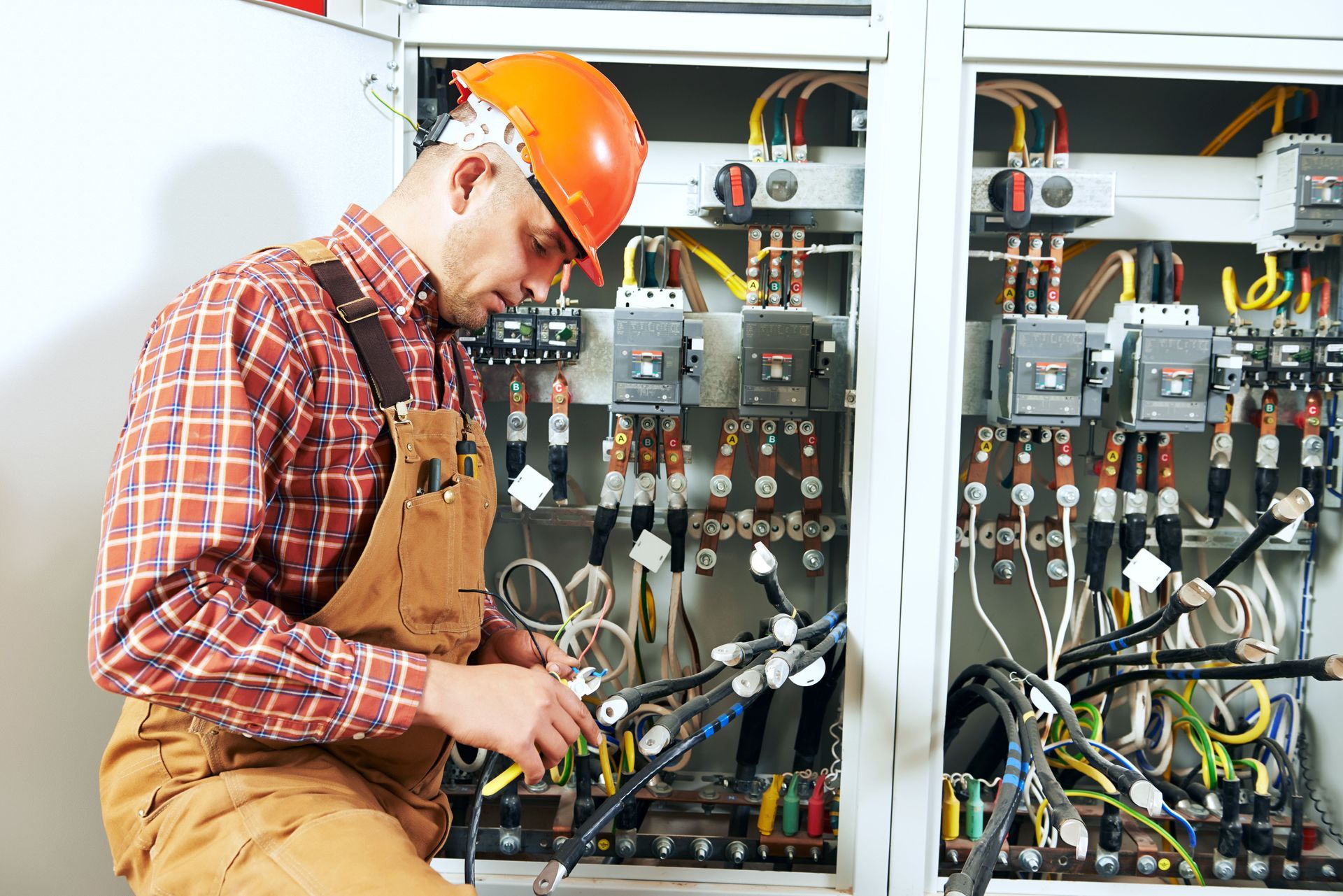
Electrical codes provide guidelines for the safe installation, maintenance, and modification of electrical systems. These standards address many aspects of electrical work, including wiring methods, circuit protection, grounding, outlets, and electrical panels. A licensed electrician receives the training necessary to understand how these requirements apply to different projects. Code compliance is particularly important because electrical systems must safely support the demands placed on them by modern equipment and appliances. Requirements may vary depending on the type of property and the specific work being completed. Older homes can present additional challenges because existing electrical systems may not meet current standards. Professionals can evaluate the condition of existing components and identify areas that may require updates. Understanding and following applicable codes helps create electrical systems that are safer and better prepared to support everyday use.
Identifying Potential Safety Hazards
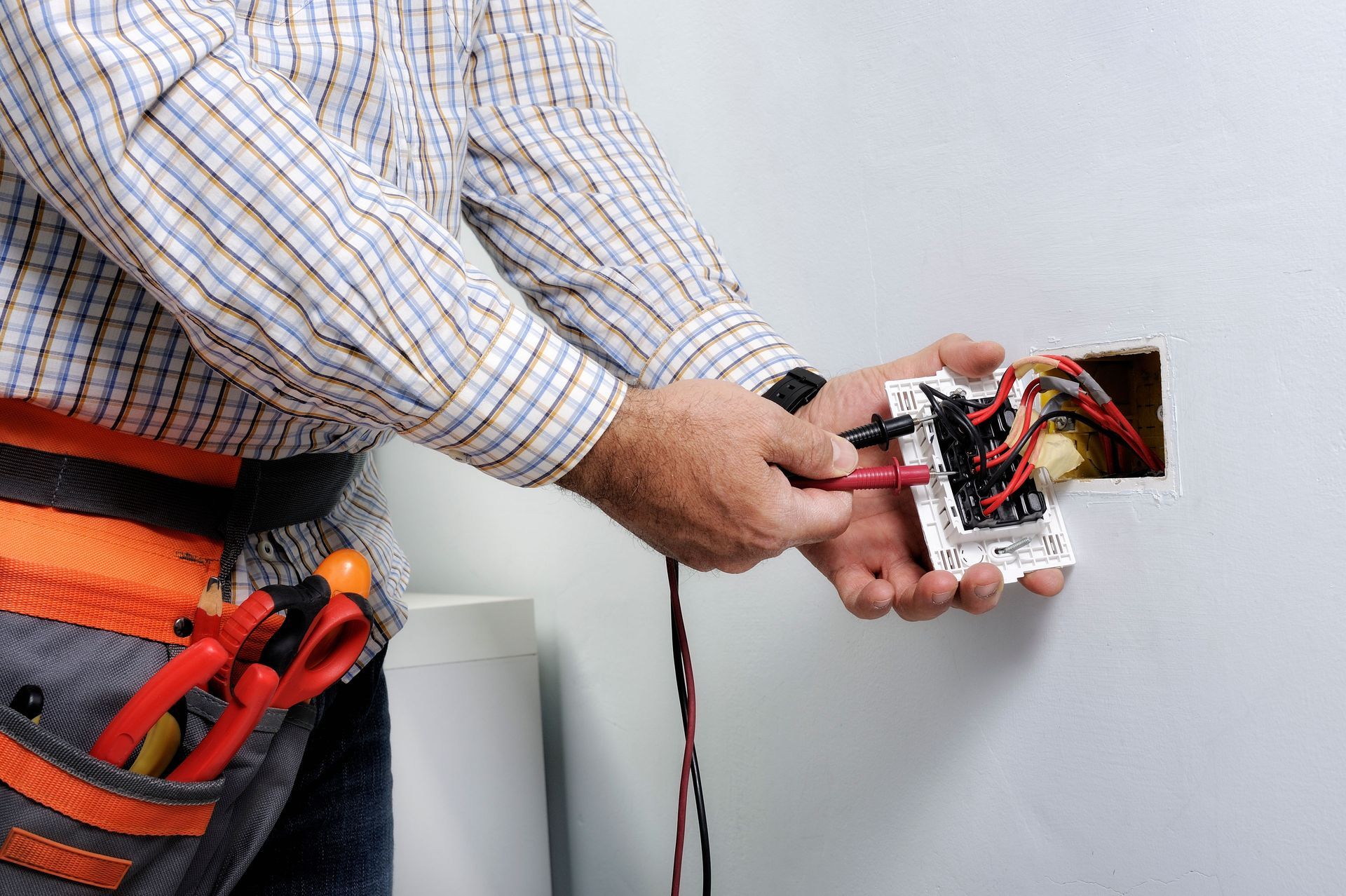
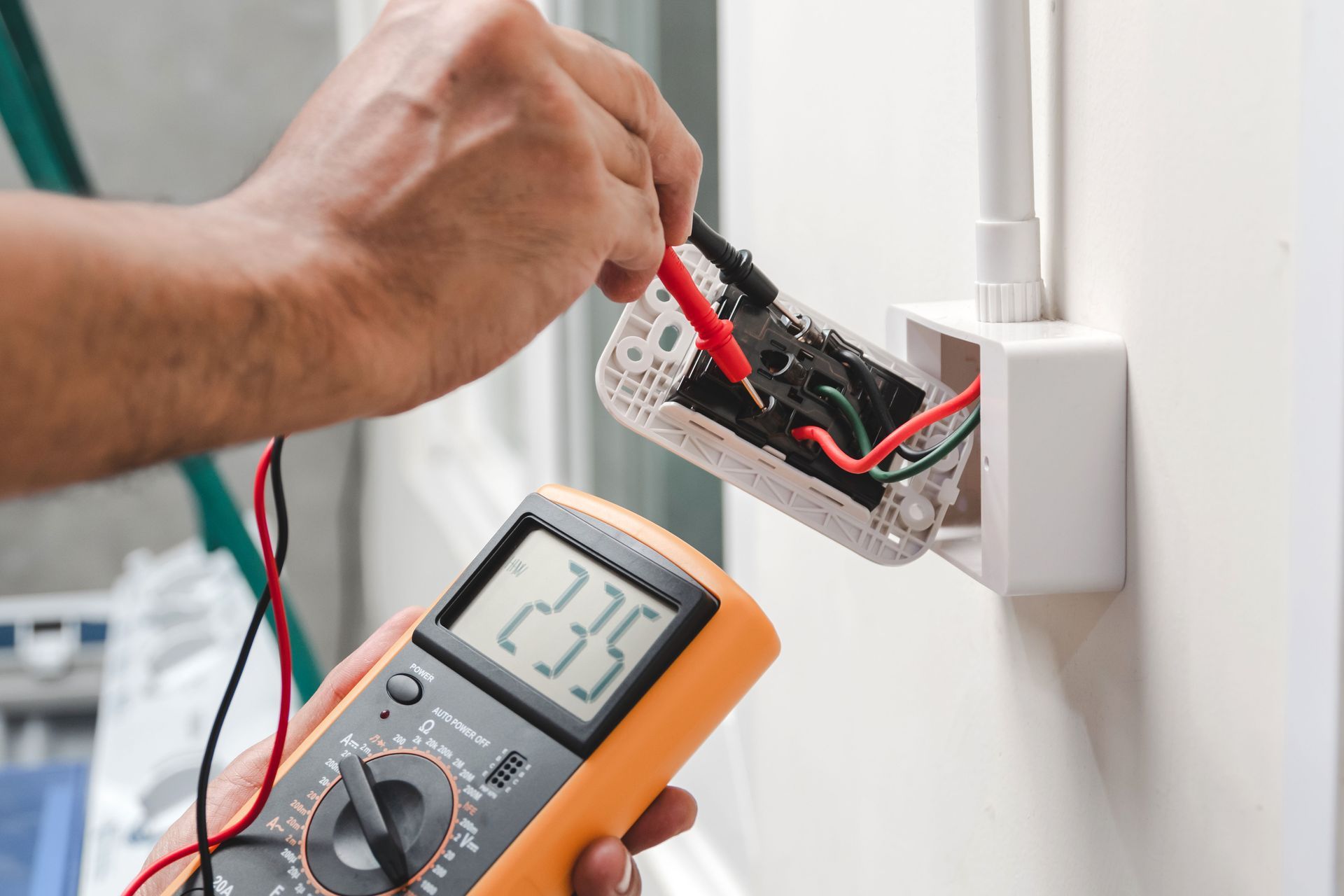
One of the most important responsibilities of an electrical professional is identifying potential hazards before they become more serious problems. Damaged wiring, overloaded circuits, loose connections, and outdated components can all create safety concerns. Some electrical issues may remain hidden behind walls, ceilings, or electrical panels, making them difficult for property owners to identify independently. A licensed electrician can inspect these systems and recognize warning signs that may not be immediately obvious. Flickering lights, frequently tripped breakers, warm outlets, and burning odors can all indicate that an electrical issue requires professional attention. Addressing these concerns promptly can help prevent additional damage to the electrical system. An inspection can also identify situations where previous work was completed improperly or where aging components are beginning to fail. Identifying hazards early allows property owners to take corrective action before a minor issue develops into a larger safety concern.
Ensuring Proper Installation Practices
The way electrical components are installed can significantly affect their safety and performance. Proper installation involves more than connecting wires and ensuring that equipment receives power. Circuit capacity, wire sizing, grounding, connection methods, and protective devices must all be considered during the project. A licensed electrician understands how these elements work together within the larger electrical system. Incorrect installation can lead to unreliable performance, damaged equipment, or potential safety risks. Professional electrical work also requires careful attention to manufacturer instructions and applicable building requirements. Installations should be completed in a way that allows equipment to operate as intended while supporting future maintenance needs. Following proper installation practices helps create a dependable electrical system that can continue serving the property effectively.
Managing Electrical System Capacity
Modern properties often require significantly more electricity than buildings constructed decades ago. New appliances, entertainment systems, computers, electric vehicle chargers, and other devices can place additional demands on an existing electrical system. When too many devices operate on circuits that cannot safely support the load, the system may experience frequent interruptions or overheating. Evaluating electrical capacity is therefore an important part of renovations and upgrade projects. According to Consumer Affairs, electrician employment was projected to increase by 6% between 2022 and 2032, reflecting the continuing need for skilled professionals who can support modern electrical demands. A qualified professional can determine whether an existing panel and circuit system can accommodate planned additions. Electrical upgrades may be necessary when a property requires more power than its current infrastructure can safely provide. Proper capacity planning can help reduce performance problems while supporting the safe operation of electrical equipment.
Completing Work According to Regulations
Electrical regulations are designed to establish consistent safety standards across residential and commercial properties. These requirements can influence everything from outlet placement to the type of wiring used in specific environments. A licensed electrician stays informed about applicable standards and understands how regulations affect different types of projects. This knowledge can be especially important during renovations, additions, and major system upgrades. Property owners may not realize that seemingly small changes can involve requirements related to permits or inspections. Completing work according to applicable regulations can help prevent problems during future property transactions or inspections. It can also provide greater confidence that important safety considerations were addressed during the project. Professional knowledge of regulatory requirements helps ensure that electrical work is completed with both present and future needs in mind.
Supporting Proper Inspection Requirements
Many electrical projects require inspections to verify that the completed work meets applicable safety and building standards. Inspections can provide an additional level of oversight before electrical systems are placed into regular use. Preparing for an inspection often requires careful planning throughout every stage of the project. A licensed electrician can complete work with inspection requirements in mind and address concerns that may arise during the process. This approach can help prevent unnecessary delays and the need for significant corrections after the project is completed. Inspectors may evaluate wiring, panels, grounding systems, circuit protection, and other important components. Having professional documentation and properly completed installations can make the inspection process more straightforward. Meeting inspection requirements helps demonstrate that electrical work has been evaluated according to established standards.
Protecting People and Property
Electrical safety is ultimately about protecting the people who live, work, and spend time inside a property. Improper wiring and damaged components can create risks involving electrical shock, fires, and equipment failure. These concerns can affect both residential and commercial environments. Professional electrical service focuses on reducing potential hazards through proper installation, repair, and maintenance practices. A licensed electrician can recommend solutions based on the property's specific electrical needs rather than applying a one-size-fits-all approach. This is particularly important when older systems need to support newer technology and equipment. Regular attention to electrical concerns can also help property owners identify developing problems before they create major disruptions. Investing in qualified service can therefore support the safety and protection of both the building and the people inside it.
Electrical code compliance and safety should always be priorities when planning repairs, installations, or system upgrades. Professional electrical work involves understanding regulations, identifying hazards, selecting appropriate materials, and following proper installation procedures. These responsibilities require technical knowledge and experience that go beyond basic electrical troubleshooting. Property owners can benefit from working with qualified professionals who understand how different components affect the overall safety of the system. Properly completed electrical work can help support reliable performance while reducing the risk of future problems. It can also help properties remain prepared for inspections, renovations, and changing electrical demands. Taking shortcuts with electrical work may create issues that are more difficult and expensive to correct later. Choosing qualified professionals from the beginning can help protect both the property and the people who depend on its electrical systems.
When your home or business needs professional electrical service, Precision Electric Inc is ready to help. Contact us today to work with an experienced team committed to completing electrical projects with safety, quality, and code compliance in mind.