May 13, 2026
The role of licensed electricians in residential projects is immense and multi-faceted. These highly skilled professionals are the backbone of ensuring that our homes are wired safely and efficiently. They not only focus on installing systems but also emphasize compliance with safety standards and electrical regulations to prevent potential hazards. As technology evolves, their role expands to incorporate new devices and systems, making homes smarter and more energy-efficient. Understanding the significance of residential electricians helps us appreciate the complexity and importance of their work in modern living spaces.
1. Ensuring Safety Standards
One of the primary responsibilities of licensed electricians is identifying potential electrical hazards. They conduct thorough evaluations to pinpoint issues that could lead to shorts, shocks, or electrical fires. By doing so, they prevent dangerous situations that could jeopardize the safety of households. As trained professionals, they understand the intricacies of electrical circuitry and can spot warning signs that may not be evident to the untrained eye. This proactive approach is key to maintaining a safe living environment in residential settings.
In addition to identifying hazards, licensed electricians implement stringent safety protocols. These protocols are designed to prevent accidents during both installation and ongoing system use. By adhering to industry best practices and using advanced techniques, residential electricians ensure that safety is never compromised. This includes using appropriate protective gear, carrying out thorough inspections, and employing proper handling and installation procedures for equipment. Their awareness and adherence to safety measures significantly reduce the risk of accidents and injuries.
Licensed electricians are also committed to utilizing proper equipment and materials to uphold safety standards. This means choosing the right types of wiring, fixtures, and accessories that meet both local and national electrical codes. They are skilled in selecting high-quality materials that can withstand regular wear and tear, thus prolonging the lifespan of electrical systems. Regular safety inspections conducted by electricians serve to reassess and update any old or faulty installations, ensuring these systems remain safe over time. Additionally, continuous training and education are essential for these professionals to stay updated on the latest safety regulations and technological advancements in the field.
2. Complying with Electrical Codes
Licensed electricians possess an in-depth understanding of local and national electrical codes, which guide every aspect of electrical work. These codes ensure that installations are safe, reliable, and standardized across all residential projects. By adhering strictly to these guidelines, residential electricians help prevent violations that could lead to costly fines or safety hazards. Electricians must navigate these comprehensive codes, which cover everything from wiring standards to the placement of electrical fixtures. Their expertise ensures that all electrical work complies with the necessary legal requirements.
When updates are needed, electricians play a crucial role in bringing homes up to current standards. As buildings age, codes evolve to incorporate new safety features and technologies. Electricians are responsible for updating systems to meet these newer standards, which may involve rewiring, upgrading panels, or installing new safety devices. This ongoing process keeps homes safe for occupants and ensures that they are equipped to handle modern electrical loads effectively. Additionally, electricians collaborate closely with building inspectors to verify that all work is completed to code and meets the required safety specifications.
Understanding and navigating permits and regulatory requirements is another area where licensed electricians excel. The intricacies of permit applications and inspections can be overwhelming for homeowners, but electricians simplify this process. They work directly with local authorities to ensure that all necessary permits are secured before beginning any project. This collaboration includes adapting to emerging technologies and integrating them within existing electrical systems while remaining compliant with established regulations. By expertly managing these regulations, electricians shield homeowners from potential legal issues and ensure a seamless, code-compliant electrical system installation.
3. Designing Effective Electrical Systems
Designing an effective electrical system requires a comprehensive assessment of a household's electrical needs. Licensed electricians evaluate the power requirements of various appliances and devices to determine the best possible configurations for efficiency and convenience. This process involves meticulous planning to avoid common issues like overloaded circuits or insufficient power supply. With their expertise, residential electricians can customize systems to meet the unique needs of each household and ensure smooth operation under typical loads. Their ability to foresee potential problems and mitigate them during the design phase is invaluable in creating robust and reliable electrical systems.
A central component of system design is planning efficient power distribution throughout the home. Electricians strategically locate outlets, switches, and lighting fixtures to optimize both accessibility and functionality. They consider factors like appliance placement, room utilization, and future needs to establish an electrical blueprint that supports current and future usage. This strategic distribution facilitates safe and effective energy use, reducing unnecessary energy wastage and enhancing overall system performance. Additionally, licensed electricians integrate smart home solutions that allow residents to monitor and control their electrical systems conveniently.
4. Installing Residential Wiring and Fixtures
Installation of residential wiring and fixtures is a craft that requires precision and a deep understanding of electrical systems. Licensed electricians possess the knowledge to select appropriate wiring types for different areas and applications, considering factors like load capacity and safety. This careful selection ensures the durability and reliability of the electrical system. During installation, residential electricians meticulously follow blueprints and plans to accurately place wiring, outlets, and fixtures. This attention to detail is crucial in creating a system that functions seamlessly and safely over time.
Electricians also install a variety of lighting solutions, from basic outlets to fixtures that enhance home aesthetics and efficiency. They can integrate advanced technologies, such as automated lighting systems and energy-efficient options. Integrating these technologies requires an understanding of both traditional electrical systems and cutting-edge innovations. Electricians test installed systems thoroughly to ensure everything operates as intended. Post-installation testing is vital to identify any potential issues and guarantee the highest level of performance and safety for residents.
Replacing old and dangerous wiring systems is another significant aspect of an electrician's work. Aging electrical systems can pose severe safety risks, including fire hazards and system failures. Licensed electricians assess the condition of existing wiring and recommend upgrades or replacements as necessary. This proactive approach minimizes risks and ensures that the home's electrical system is equipped to handle modern demands. According to the Bureau of Labor Statistics, the construction industry employs the largest number of electricians, accounting for over 65% of total employment. This underscores their critical role in residential infrastructure development.
5. Troubleshooting and Repair
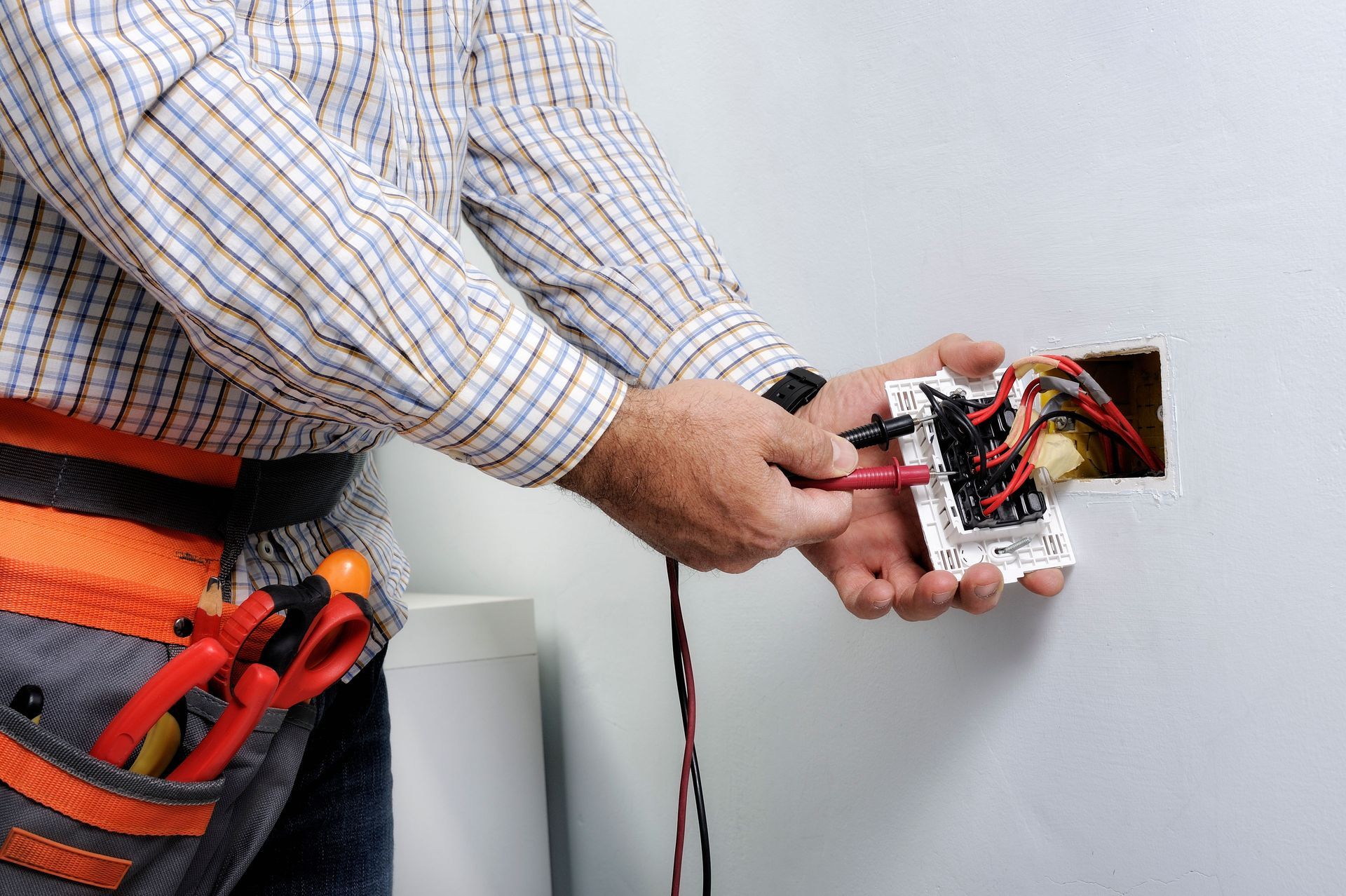
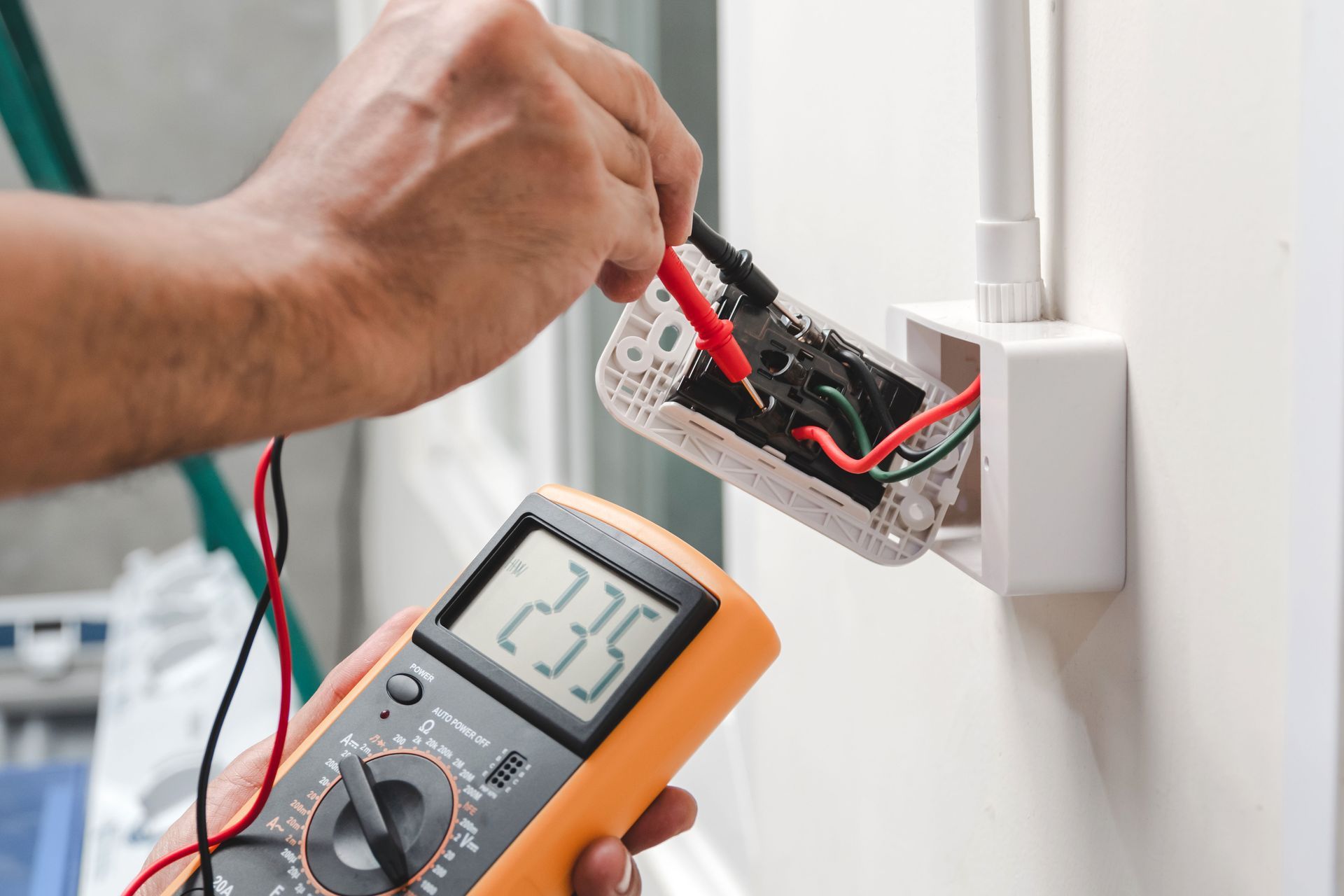
Residential electricians are adept at diagnosing electrical problems within residential settings. They employ a systematic approach to identify issues, relying on both their technical skills and diagnostic tools. When electrical failures occur, electricians efficiently pinpoint the root causes to implement immediate solutions. Their ability to troubleshoot complex systems is built on years of training and hands-on experience, allowing them to address a wide range of electrical issues. This reliable detection and diagnosis capability is crucial in maintaining the safety and functionality of residential electrical systems.
Implementing effective repairs is another key responsibility of licensed electricians. Once problems are identified, they employ suitable techniques and tools to restore system functionality promptly. This may involve replacing faulty components, rewiring, or altering existing setups to better meet electrical demands. Electricians prioritize safety during repairs to prevent recurring issues or further complications. Their comprehensive knowledge enables them to offer targeted, durable solutions that ensure long-term reliability while minimizing inconvenience for homeowners.
Licensed electricians play an indispensable role in residential projects, ensuring that homes are equipped with safe, compliant, and efficient electrical systems. Through their expertise, they uphold safety standards, adhere to stringent electrical codes, design innovative systems, and provide critical maintenance and repair services. Their responsibility extends beyond just technical work, as they also embody the adaptability needed to integrate emerging technologies and address evolving homeowner needs. With the construction industry employing the majority of electricians, their impact on residential development is profound and significant. Overall, the work of residential electricians is integral to the seamless operation and advanced capabilities of modern homes, consistently enhancing their value and functionality. If your home needs electrical work, reach out to Precision Electric Inc today!